
Market moods can influence trading more than just cold, hard data. Picture a busy trading floor where investor optimism drives prices upward. Sentiment indicators capture these emotional cues, pointing to bullish or bearish trends that shape market moves. By monitoring live news feeds and social media chatter, traders pick up clues on price shifts that fundamentals might miss. This market pulse offers a way to turn volatility into a trading edge.
Market Sentiment Ignites Confident Trading Trends
Market sentiment describes investors' overall attitude toward a security or the broader market. It reflects the emotional drivers behind trading decisions rather than fundamental metrics like earnings or revenue. Typically, sentiment is either bullish, where investors expect prices to rise, or bearish, where they anticipate declines.
For instance, a surge in positive news and social media chatter can spark a bullish trend, prompting a quick rise in prices even if underlying fundamentals remain constant.
Traders often gauge sentiment using high-low indexes, real-time news feeds, trading volume data, and social media monitoring. This mix of tools helps reveal the market's emotional pulse beyond just hard data.
By tracking these signals, investors gain insights into potential shifts in price action, enabling quicker and more confident trading decisions in volatile markets.
Measuring Market Sentiment: Key Indicators and Methods
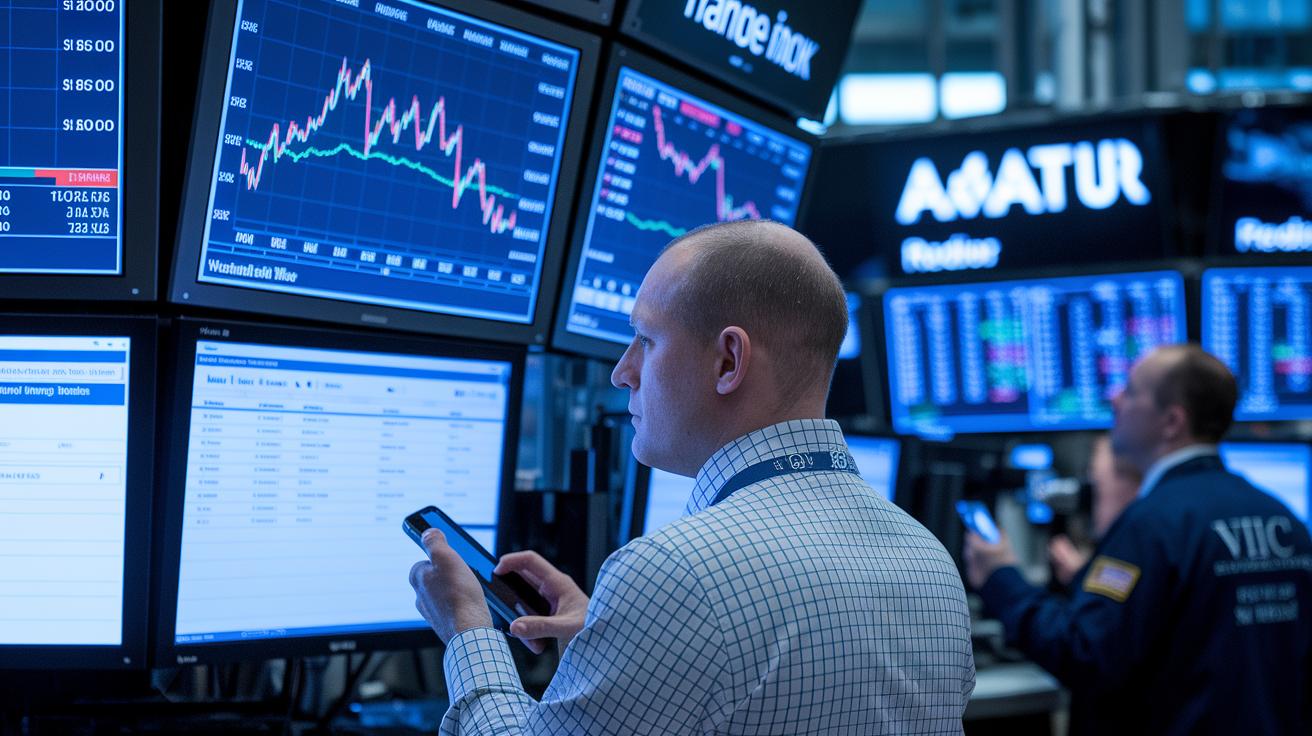
Investors blend hard data and real-time sentiment to read market mood. The VIX (Volatility Index) rises when traders feel anxious. A quick spike in the VIX signals that market players may expect more volatility.
The NYSE High/Low Indicator compares advancing and declining stocks to show overall market strength. A skewed ratio can hint that the market balance is shifting and a reversal might be near.
Traders also watch the 200-day moving average. When prices stay above this line, it points to a steady uptrend. Dropping below it may mark a turning point.
News-flow scoring and social media sentiment models now track retail investor views in real time. They turn headlines and online chatter into practical insights.
- VIX shows trader anxiety
- NYSE High/Low Indicator gauges market breadth
- 200-day moving average confirms trend shifts
- Social media models capture real-time moods
Each tool helps traders spot early signs of market reversals and adjust their strategies quickly.
Market Sentiment in Action: Historic Case Studies
March 2020 shows how investor mood can override fundamentals. Panic selling in the Nifty 50 pushed prices down over 38% in weeks, even with steady earnings forecasts. This example underlines how investor sentiment can drive sharp price moves despite unchanged financial metrics.
In 2021, the Zomato IPO made headlines when its stock opened at ₹116, a 53% premium over the ₹76 issue price. Strong investor optimism pushed the price higher, highlighting how a bullish attitude can rapidly inflate valuations.
New data can quickly shift market outlooks. The CNN Fear and Greed Index dropped from 55 to 49 after mixed Q3 earnings, indicating a cooling off in market optimism. Even subtle changes in reports can lead investors to reassess their positions.
Papa John’s Q3 report adds more nuance to sentiment. North American systemwide sales fell by 1.1% to $879.8 million, with comparable sales down 2.7%, while core pizza units rose by 3%. The data shows how market emotions can result in mixed outcomes.
- March 2020: Nifty 50 drops over 38% amid panic selling
- 2021 Zomato IPO: Stock opens at a 53% premium due to strong investor enthusiasm
- CNN Index: Fell from 55 to 49, indicating reduced market optimism
- Papa John’s Q3: Overall sales decline with core units on the rise
Market Sentiment and Trading Strategies

Traders use market sentiment data to design clear strategies. Contrarian traders buy when indicators point to oversold conditions and sell when sentiments reach extreme highs. They profit by betting that market reactions stray too far from true values.
Trend-following traders build positions as bullish sentiment stays strong and then back off when technical signals, like momentum or market breadth, hint at a change. This method depends on steady sentiment to drive profits.
Momentum traders layer breakout alerts on shifts in market mood. As sentiment moves swiftly, they capture quick price changes that long-term methods might overlook.
Swing traders focus on short bursts in sentiment. By targeting price moves over one to four days, they take advantage of rapid news or social media shifts. Clear risk thresholds help them handle unexpected reversals.
Traders monitoring these methods rely on a mix of data and market intuition to mark precise steps for entry and exit. These approaches demand constant oversight, timely adjustments, and strict risk controls to guard against sudden shifts in sentiment during volatile sessions.
Media & Macroeconomic Drivers of Market Sentiment
Media headlines strongly influence investor mood. Positive news can boost optimism and push prices up, even if solid fundamentals are lacking. On the flip side, negative headlines may trigger panic selling and quickly change market sentiment from bullish to bearish. For example, a series of cautious economic forecasts mixed with stark financial news can prompt investors to reassess risk across the board.
Macroeconomic factors also shape confidence over the long run. Key indicators like GDP growth, tax policy changes, and innovation help set the stage for how investors feel. Strong economic output or favorable tax reforms typically raise sentiment, while slow growth or tighter fiscal policies tend to dampen it. Global metrics such as ease-of-doing-business rankings and transparency levels also matter, with markets in stable regions often enjoying a more positive outlook.
The Fear and Greed Index captures this sentiment shift by measuring changes in risk appetite. Higher readings suggest investors are leaning toward greed and bullish behavior, while lower numbers hint at fear and a preference for safe assets. Combined with current economic data, these signals offer traders useful insight into potential market turning points.
Overall, signals from both media and broader economic policies continually influence trading trends. For market participants, keeping a close eye on headline news and policy shifts is key to understanding risk and opportunity.
Real-Time & Historical Sentiment Analysis Tools
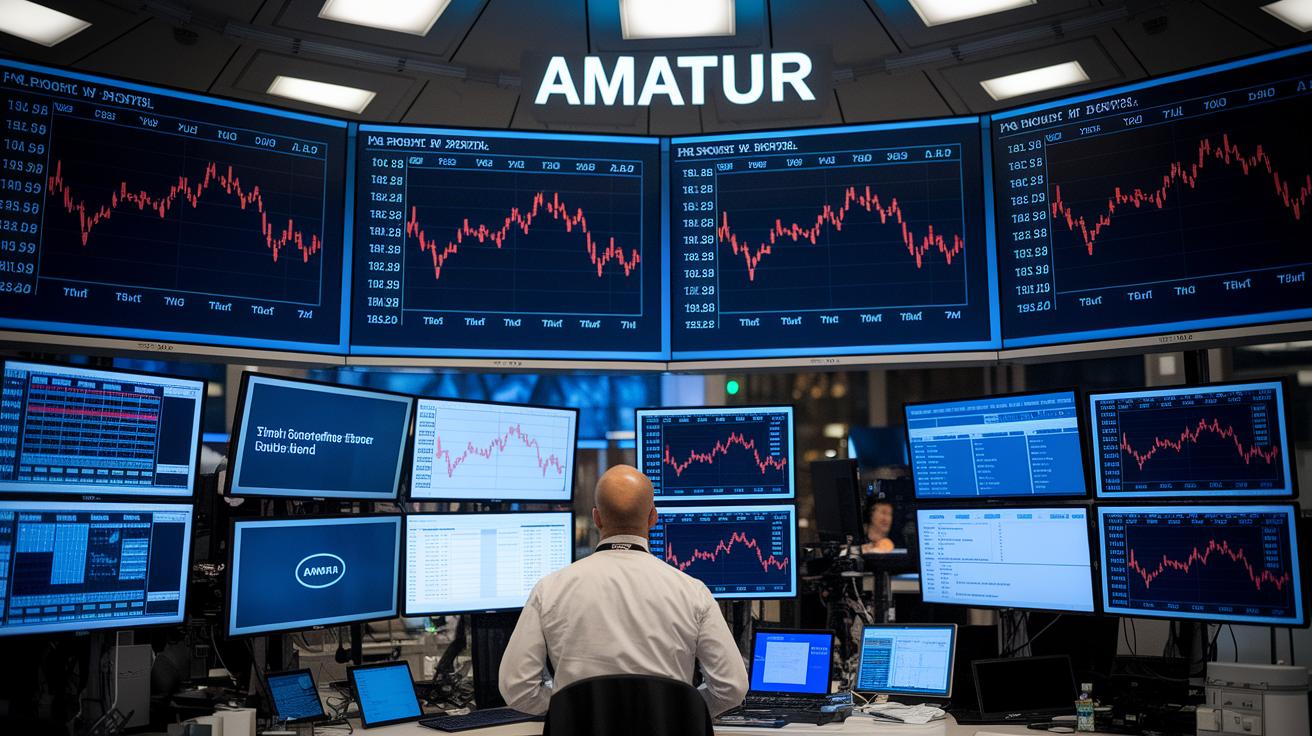
A trader using a real-time sentiment dashboard noted a sharp uptick in negative social media chatter just before a market dip, proving the tool’s predictive power.
Real-time platforms pull data from social media feeds, news sentiment scores, and volume-based algorithms into simple dashboards that capture the market's mood instantly. These dashboards let traders spot quick shifts as headlines break and trading volumes change.
They combine scores from different sources into a single sentiment index that helps investors make fast, informed decisions. Historical sentiment models add another layer by allowing users to test past sentiment readings against actual price movements.
Detailed data covering major weekly events, sector trends, and cross-asset comparisons lets traders spot recurring patterns and adjust their strategies accordingly. Businesses and policymakers also rely on these tools to review sentiment trends over time, assess policy impacts, and intervene as needed.
Together, real-time tracking and historical analysis offer a data-rich view that supports both quick reactions and proactive planning in a dynamic market.
Comparing Sector and Global Market Sentiment
Sector sentiment varies with different phases of the business cycle. For instance, technology can rally during bursts of innovation while consumer staples often falter amid regulatory shifts or changing demand. A semiconductor firm may see improved sentiment when chip shortages tighten supply, whereas a regulated utility might experience a drop as policies change.
Investors gauge sentiment across regions by looking at corruption ratings, regulatory frameworks, and foreign investment flows. Countries with stable institutions usually inspire more confidence than those seen as riskier.
Problems at large companies can drag down an entire sector. For example, issues at a major automaker can lower overall sentiment in the automotive field and shift the benchmarks traders use.
Global dashboards let investors track sentiment across markets. They offer quick snapshots of which areas are strong or weak and show where confidence is rising or falling.
- Innovation cycles driving industry trends
- Changing consumer demand and regulatory updates
- Regional comparisons based on foreign investment flows
- Sector-wide impacts from major firm disruptions
Such analyses help investors decide where to allocate capital by revealing key insights into sector performance and international market trends.
Final Words
In the action, this article mapped what market sentiment means for today's trades.
We covered how investor mood shifts, illustrated by high-low indicators and social media scores, can signal future price moves.
Historic case studies and trading strategies showed how technical and qualitative data combine to flag potential risk and opportunity.
Real-time analysis and macro signals give a clear view of investor psychology.
Draw on these insights to refine your approach and improve your next move.
FAQ
What is the market sentiment?
The market sentiment describes the overall mood of investors, indicating whether they feel bullish or bearish as they respond to news, data, and market developments.
Where can I view market sentiment data?
Market sentiment data is available on websites that offer real-time dashboards and charts. These platforms aggregate social media activity, news, and trading volume for a comprehensive view.
What are market sentiment indicators?
Market sentiment indicators include tools like the VIX, high-low ratios, and moving averages. They help track investor mood and signal potential market reversals through quantitative measures.
How does U.S. stock market sentiment differ?
U.S. stock market sentiment reflects American investor mood and is monitored using specialized indices and social media analytics to capture real-time bullish or bearish outlooks.
How is market sentiment measured in forex, crypto, and XAUUSD?
In forex, crypto, and XAUUSD markets, sentiment is measured through dedicated charts, social media analysis, and specialized indices that track volatility and investor reactions.
What is the 7% rule in stocks?
The 7% rule in stocks suggests that price movements beyond a 7% threshold can indicate significant trend shifts. This rule helps investors reassess their risk and identify potential market reversals.
Does bearish market sentiment indicate falling prices?
Bearish market sentiment signals that investors expect price declines. This mood often leads to increased selling pressure and volatility, prompting caution among market participants.