
Stock volume measures every share traded over a set period. When volume is high, it signals strong interest and can lead to major price moves. Low volume suggests that traders may be hesitant, with fewer shares changing hands. In simple terms, volume shows how active a stock is and hints at potential price changes. This post explains stock volume’s role in reflecting market activity and guiding smarter trading moves.
Stock Volume Explained: Definition and Importance
Stock volume shows the total number of shares traded in a set time, like a day, week, or month. If 100 shares are bought and then sold in one day, the volume counts 200 trades. This measure captures all trade activity, not just a snapshot of buys or sells.
High volume indicates strong investor interest and suggests that significant price moves may follow. Low volume may mean that any price changes lack strong backing from the market. In short, tracking stock volume offers a simple gauge of market activity and investor sentiment.
Measuring Stock Volume: Calculation and Data Sources
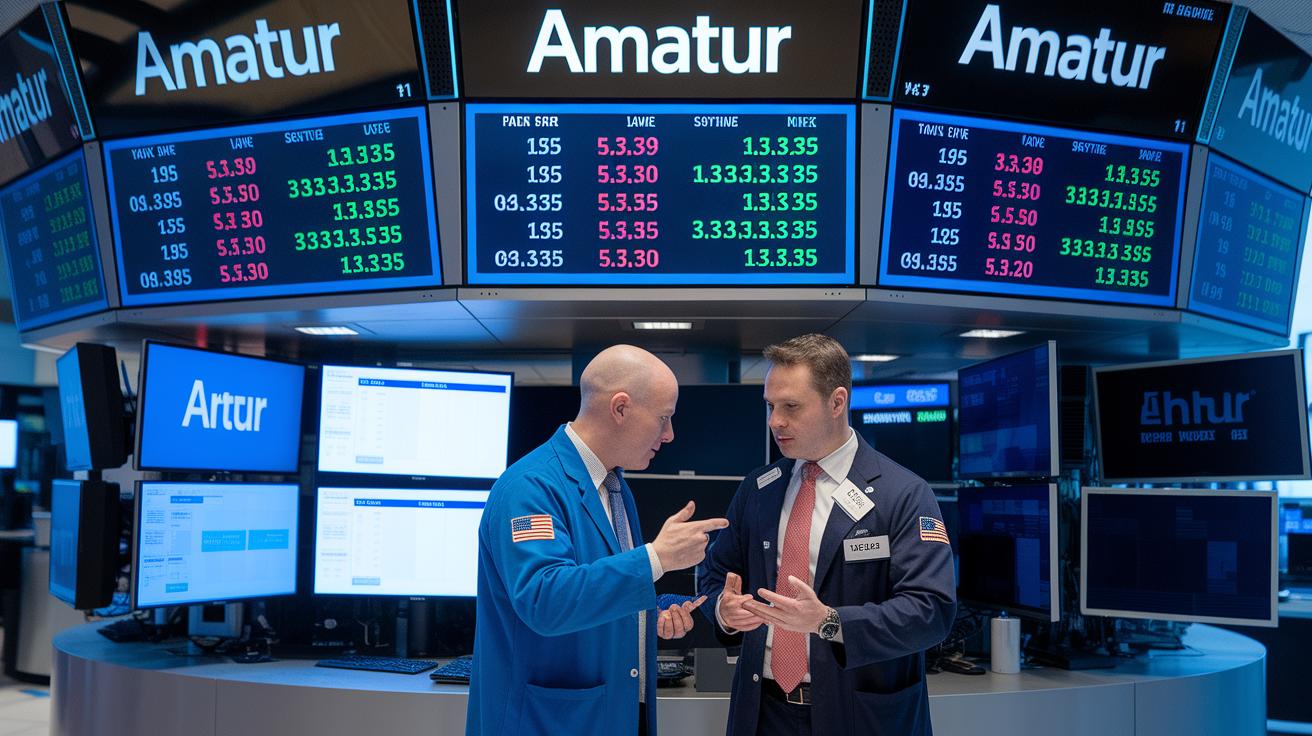
Stock volume shows the total number of shares traded over a set time period. It adds up every completed trade, whether buying or selling. For example, if a trader buys 50 shares and later sells 50 shares in one session, the volume increases by 100. This simple tally gives a quick look at market activity.
Key sources for volume data include:
- Stock market exchanges (like NASDAQ and NYSE)
- Brokerage platforms that compile client trades
- Financial news and third-party websites with real-time dashboards
Using a fixed time frame, whether it's a 1-minute, 5-minute, daily, or weekly interval, ensures that the numbers are consistent and comparable. Traders rely on this standardized view to spot trends, smooth out short-term spikes, and better understand market liquidity and sentiment. Reliable volume data is vital for anyone keeping an eye on how actively a stock is being traded.
Stock Volume Trends: High vs Low Activity Implications
Trading volume shows how many participants are active in the market. High volume indicates that price moves carry strong backing, while low volume warns that a move may not last. Keeping an eye on volume levels helps you gauge market sentiment and potential trends.
High Volume Scenarios
When volume is high, many traders are at work. Rising prices on heavy volume mean strong buying interest, tighter spreads, and smoother trades. If prices fall with high volume, it reflects strong selling pressure. In both cases, the robust trading activity confirms the move and reduces slippage, making it easier to execute orders.
Low Volume Scenarios
Low volume signals limited market participation and caution among investors. Even if prices shift, fewer trades can make the change unreliable. Reduced activity can lead to wider bid-ask spreads and more slippage, which may result in short-lived or misleading price moves. Traders tend to wait for clearer signals before acting in low volume conditions.
Stock Volume Examples and Charting Trend Patterns

Price and volume patterns reveal market energy and offer clues about future moves. When both price and volume increase, it signals strong buying interest. However, if volume falls as prices rise, the trend may lack real support. Conversely, rising volume during falling prices shows aggressive selling, while falling volume with declining prices can imply that selling is slowing.
| Price-Volume Scenario | Interpretation |
|---|---|
| Rising price with rising volume | Strong confirmation with active buying |
| Rising price with falling volume | Potential lack of buying breadth |
| Falling price with rising volume | Intense selling pressure |
| Falling price with falling volume | Selling may be losing steam |
Traders often apply these insights to decide when to enter or exit positions. A price breakout paired with a volume surge suggests widespread participation and a strong move forward. This pattern builds on previous discussions about volume trends and market activity.
what is stock volume: Clear Trading Insights
Volume-based technical indicators confirm price trends and help traders verify moves. They connect trading volume with market momentum to uncover signals that price charts might miss. By comparing price swings with volume activity, traders can tell if a move is backed by strong market participation or if it might reverse.
On-Balance Volume (OBV) tracks volume by adding amounts on up days and subtracting on down days. When OBV climbs along with prices, it shows strength. But if OBV falls while prices rise, that could signal a weakening trend.
Volume Weighted Average Price (VWAP) computes the average price of a stock weighted by volume throughout the day. It sets an intraday benchmark for traders. Watching how price moves in relation to VWAP can help pinpoint good times to enter or exit a trade.
The Accumulation/Distribution Line (A/D) measures money flow by comparing the closing price to the day’s high and low, adjusted for volume. It reveals hidden buying or selling patterns and can show when major players are stepping in before prices visibly change.
Limitations of Stock Volume Metrics in Trading Decisions

Institutional trades and algorithmic orders can skew raw volume numbers. Large block trades may spike the counts for a short time, and reporting delays can hide true investor participation. A sudden jump in trade counts may simply reflect an institutional move, not broad market conviction.
Relying solely on volume can give a false picture of market activity. Instead, use volume alongside price action and technical tools like moving averages and the relative strength index (RSI). This approach helps confirm whether a trend is backed by solid market participation or if the price move is an isolated occurrence. Traders should blend volume insights with other metrics to capture a more accurate view of market behavior.
Final Words
In the action, we broke down stock volume by defining its calculation, explaining its role in gauging market sentiment, and outlining methods to track trade activity. We reviewed high versus low volume scenarios and parsed technical indicators like OBV and VWAP for trend validation. By clarifying what is stock volume and its practical use, readers gain a sharper view of market participation. This streamlined discussion sets you up with actionable insights and a clear path to more informed trading decisions.
FAQ
What is stock volume in the market with an example?
Stock volume represents the total number of shares traded over a set period. For example, if 100 shares are bought and then sold, the volume counts as 200, illustrating cumulative trading activity.
What is stock volume in the context of trading?
Stock volume in trading refers to the aggregate total of shares bought and sold. It helps gauge market liquidity and investor interest, playing a key role in assessing price movements.
What is the formula for calculating stock volume?
The formula for stock volume is simply the sum of all shares traded during a specific period. This calculation provides a quick measure of market participation.
What is a stock volume calculator?
A stock volume calculator is a tool that automatically sums the shares traded, providing real-time volume figures. It enables traders to quickly assess market activity.
What is considered high volume in stocks?
High volume is determined by comparing current trading activity to a stock’s average volume. A significant increase usually signals robust investor participation and potential price shifts.
What does stock volume tell you?
Stock volume indicates how active a stock is by measuring total trades. It reveals investor sentiment and market momentum, offering insights into possible future price actions.
What is a good volume for a stock?
A good volume varies by stock and market conditions, but volumes above the typical average suggest strong liquidity and investor interest, which generally support smoother trade execution.
How can you tell if volume indicates buying or selling pressure?
You determine buying or selling pressure by comparing volume with price trends. Technical tools, like On-Balance Volume, help identify whether recent trades are leaning toward purchases or sales.