
Today's market shifts may seem random, but they can signal clear opportunities. Market trend analysis transforms everyday data into actionable insights that drive strategic moves. With real-time updates on consumer behavior and market activity, companies can spot emerging trends early and act quickly. This focused approach cuts risks and leads to smarter decisions. In short, businesses use market data like a compass to navigate changing conditions and steer toward success.
Comprehensive Overview of Market Trends Analysis
Market trends analysis tracks shifts in consumer behavior, cultural trends, and overall market activity to forecast industry changes. Rather than offering a one-time picture, it continuously monitors the pace and direction of change. Analysts set clear goals like testing demand or exploring new regions. This ongoing review ensures that the data reflects real market feelings as they evolve.
Speed and reliable data are key. Look at Spotify Wrapped, for instance: it turns everyday listening data into a global trend. This example shows how timely insights lead to clear strategic moves. Companies can quickly spot economic shifts and changing consumer habits, allowing decision-makers to react fast in a dynamic market.
Key benefits go beyond planning. Market trends analysis helps reduce investment risks and offers a competitive edge through early trend detection. By combining real-time data with systematic review, firms can adjust to market shifts and predict future trends more accurately. This approach supports decisions around product development and marketing, ultimately providing actionable insights for thriving business strategies.
Methodological Frameworks in Market Trends Analysis

Start with clear objectives that zero in on shifts in consumer behavior. This focused approach blends detailed segmentation with the overall research strategy.
Breaking down data by age, interests, attitudes, and regions uncovers clear market trends. For example, comparing urban and rural consumer preferences can reveal hidden drivers of change.
Mixing economic, cultural, and social factors with segmented data cuts through the noise and ties insights to real-world market signals.
Turning these insights into strategy is critical. One study in the consumer tech sector showed that a firm refined its product line based on regional habits and gained a competitive edge.
Finally, continuous monitoring keeps the strategy fresh. Regular data updates fine-tune forecasts and ensure the approach stays aligned with fast-changing market conditions.
market trends analysis Sparks Strategic Success
Data from search trends, consumer surveys, and brand panels covering 140 million consumers in 80 countries drives today's analysis. An impressive 230,000 Gen Z voices discuss topics from AI to mental health, offering a broad view of emerging trends. Digital tools capture these changes with live dashboards that compare current shifts to past patterns.
Quantitative tools turn raw data into clear insights. They measure changes in consumer behavior and economic patterns using solid numerical methods. This precise method helps decision-makers adjust product strategies and marketing plans with confidence.
- Regression analysis and statistical tests reveal how market factors move together.
- Sensitivity analysis checks current data against historical norms to spot new strengths or weaknesses.
- Scenario planning uses digital analytics to outline possible market outcomes.
Regular checks using back-testing and iterative calibration keep forecasts reliable. Combining real-time figures with historical data lets firms stay agile and ready to fine-tune strategies as the market changes.
Essential Tools and Predictive Strategies for Market Trends Analysis
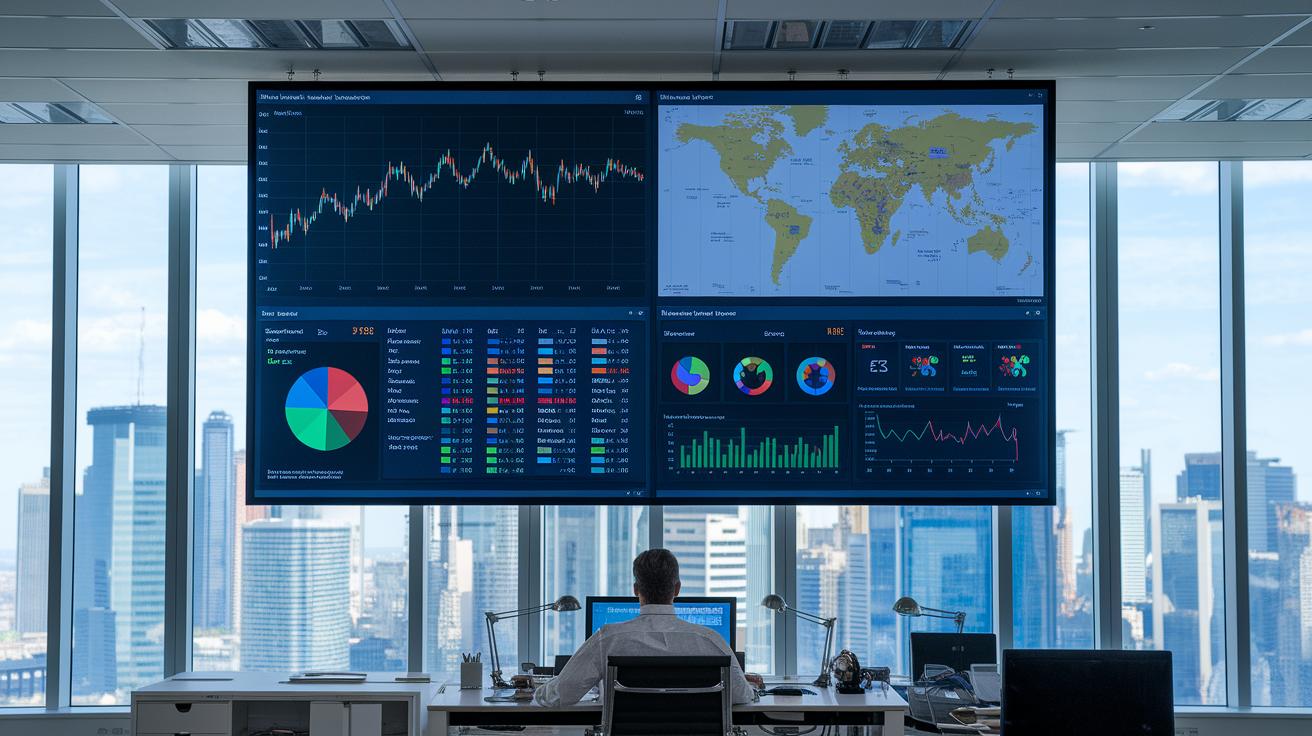
Analysts use top platforms like Google Trends, Statista, BuzzSumo, and ZinklarAi to get real-time insights on consumer searches and brand health. These tools mix simple dashboards with predictive algorithms to show current trends and market sentiment in seconds.
• Expert support helps guide decisions and fine-tune forecasts as consumer trends shift.
• Global datasets from scalable panels capture diverse market signals and cultural nuances.
• Machine learning quickly transforms complex data into clear, actionable trends.
• Audience segmentation tools predict product adoption by linking live interactions with past performance.
Blending these digital tools with qualitative feedback, such as market commentary and case studies, gives analysts the context needed to adjust strategies quickly. This balanced method leads to timely decisions that keep pace with market changes.
Sector Performance and Consumer Behavior Insights for Market Trends Analysis
Sector analysis comes down to tracking key numbers like sales growth, price changes, and shifts in demand. These numbers help reveal market changes quickly, especially when consumer habits are in flux. Understanding how people buy, what they value, and how they consume media is central to spotting these trends.
Companies also compare consumer behavior against industry peers. They break down data by age, gender, and income to fine-tune their strategies. This approach helps firms spot shifts in market share and identify which sectors have room to grow, making it easier to adapt marketing tactics on the fly.
- Consumer trends: How buying habits and preferences change over time.
- Seasonal trends: Variations that occur at different times of the year.
- Technological trends: Advances that reshape the industry.
- Demographic trends: Shifts in age, gender, and income groups.
- Economic trends: Movements in sales, pricing, and market stability.
- Competitive trends: How companies perform against one another.
Connecting these insights lets businesses adjust strategies, enhance product development, and target marketing more effectively to stay competitive in a fast-changing market.
Ensuring Forecast Accuracy in Market Trends Analysis

Forecast accuracy is key to reading market trends. Firms compare what they predicted with actual market moves to cut through the noise and focus on clear signals. They use back-testing models with error dashboards to confirm that forecasts match real behavior, building trust in their predictions.
Firms use a two-step review process. They kick off with weekly reviews for short-term checks and follow up with monthly evaluations that adjust long-term forecasts using sensitivity analysis. This routine catches early deviations and helps determine if unusual events or overall market shifts are at work.
Regular updates to predictive models are essential. By fine-tuning these models, firms reduce forecast errors and keep pace with market changes. Clear protocols for error review and filtering out hype sharpen the forecasts, making them precise and actionable. This continuous adjustment enables quick responses to emerging trends and shifts in economic indicators.
Future Projections and Emerging Techniques in Market Trends Analysis
Upcoming studies like the 2026 UK and US Consumer Trends and Gen Alpha Studies signal a fresh phase in market analysis. These reports outline expected economic conditions and long-term trends that can steer strategic planning and identify growth sectors.
Key techniques include:
- Scenario-based analysis: Firms model different economic situations to understand potential risks and rewards.
- AI-driven methods: Real-time scanning powered by artificial intelligence picks up subtle signals, offering a modern approach to tracking market shifts.
Aligning these new methods with corporate goals and risk tolerance can help companies adapt to uncertainty and adjust their strategies early. Using both scenario-based and AI tools sharpens forecasts and supports smarter decision-making in an ever-changing market.
Final Words
In the action of studying market trends analysis, the post dissected how data, predictive models, and consumer behavior insights come together to shape strategic moves.
Key frameworks explained goal setting, segmentation, and translation of insights into actionable strategies.
Robust evaluation methods and real-time quantitative techniques were highlighted to keep investment approaches sharp.
This clear roadmap reinforces that a measured, confident reading of market trends analysis sets the stage for smarter, faster investment decisions. Stay alert and trade on with a positive outlook.
FAQ
What is market trends analysis and can you see examples, reports, or templates?
Market trends analysis explores patterns in consumer behavior and industry shifts to forecast future changes. It offers examples like Spotify Wrapped, report PDFs, and templates that help identify opportunities.
How do I analyse market trends?
Analyzing market trends involves setting clear research goals, gathering and segmenting data, assessing economic and cultural factors, and translating insights into actionable strategies.
What is an example of a trend analysis?
An example of trend analysis is using streaming data insights, such as those found in Spotify Wrapped, to reflect shifts in consumer listening habits and emerging cultural trends.
What are the 6 steps in trend analysis?
The six steps in trend analysis include setting objectives, selecting relevant markets, gathering consistent data, segmenting criteria, assessing contextual influences, and converting findings into strategies.
What are the 4 steps of market analysis?
The four steps of market analysis involve defining research goals, collecting and examining data, contextualizing market drivers, and transforming insights into clear strategic plans.