
Ever wonder what happens when your skills suddenly become outdated? Structural unemployment means that old training can keep workers from finding jobs for too long. Advances in technology and global shifts are making it tougher to land new opportunities. This post outlines five key takeaways to turn these challenges into success. Learn how smart moves today can turn long-term hurdles into steps toward a brighter future.
Understanding Structural Unemployment: Definition and Fundamentals
Structural unemployment occurs when workers are unemployed for long periods because their skills no longer match the needs of available jobs. This situation arises when industries change due to new technologies, shifts in global markets, or when education and training lag behind current industry demands. The result is a gap where many job seekers lack the skills needed for today’s opportunities.
Advances like automation can replace routine tasks, while companies evolve faster than the workforce can update its skills. When traditional roles diminish or disappear, workers with outdated expertise often face long delays before rejoining the labor market. As a result, many must invest in retraining or even consider a new career path.
Unlike cyclical unemployment, which typically improves when the economy turns around, structural unemployment is a deeper, ongoing problem. In contrast to frictional unemployment, which is a short, natural transition between jobs, structural unemployment reflects long-term challenges that require changes in policy and education to better align skills with available jobs.
Key Drivers of Structural Unemployment in Modern Economies
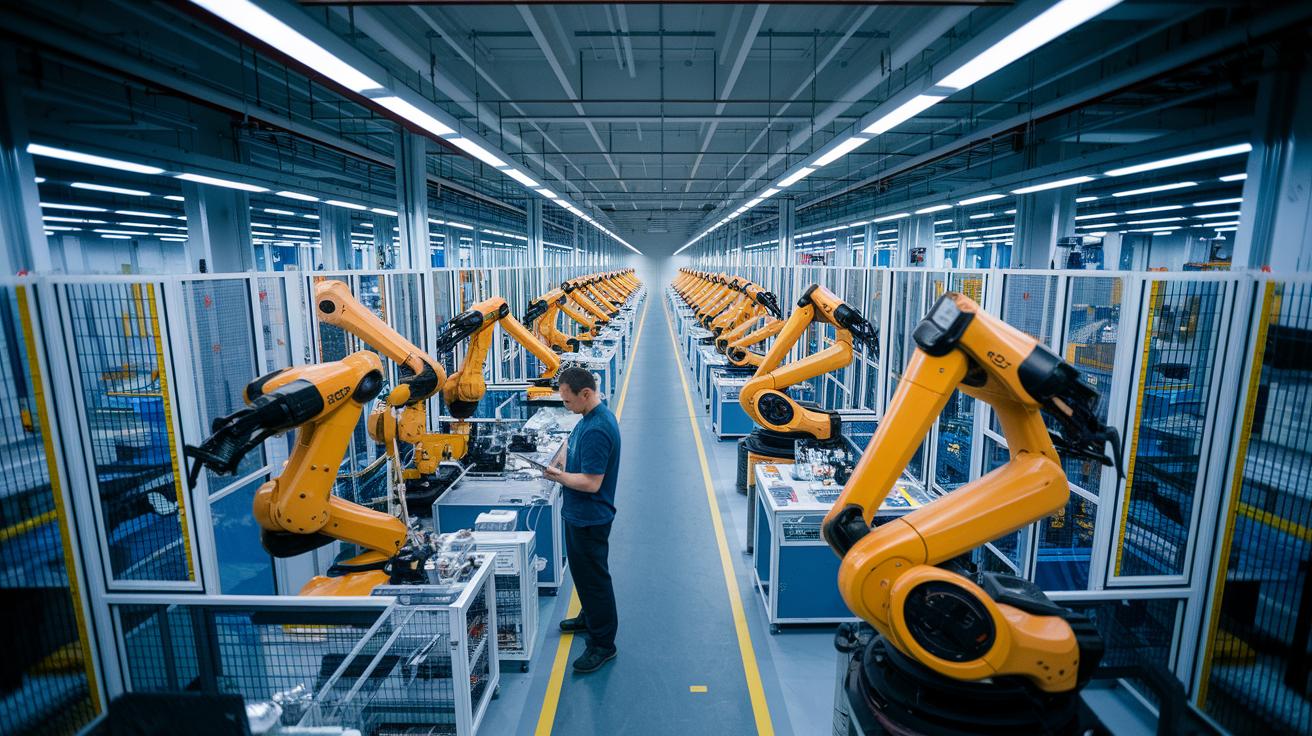
Automation and digital improvements have replaced many routine tasks. In factories, robots now perform work that people used to do. This rapid change leaves many workers without the necessary technical skills for today’s digital workplace and makes retraining essential.
Global competition and free trade have shifted production overseas. When domestic companies outsource parts of their supply chain to lower-cost foreign producers, local workers lose jobs that may not be recovered. This trend creates lasting unemployment in regions once driven by local manufacturing.
Industrial restructuring in declining sectors also impacts employment. As heavy manufacturing and similar industries shrink or disappear, workers face long-term displacement. They must either retrain completely or seek work in different markets.
Educational systems often struggle to keep pace with industry needs. Many schools do not update their courses quickly enough, leaving graduates underprepared. Without proactive changes in curriculum, the gap between workers' skills and job requirements continues to widen.
Structural vs. Cyclical and Frictional Unemployment
Cyclical unemployment is a short-term issue caused by economic slowdowns. When demand falls, companies cut jobs until growth returns. For example, a manufacturer may lay off workers during a soft market until orders pick up again.
Structural unemployment lasts longer. It happens as the economy changes and leaves some workers with outdated skills or industries in decline. These workers often need retraining, relocation, or even a career shift to find new opportunities.
Frictional unemployment, on the other hand, is normal and brief. It represents the time taken for workers to move to positions that better match their skills, a transition most people complete quickly.
Case Studies: Structural Unemployment in Key Industries
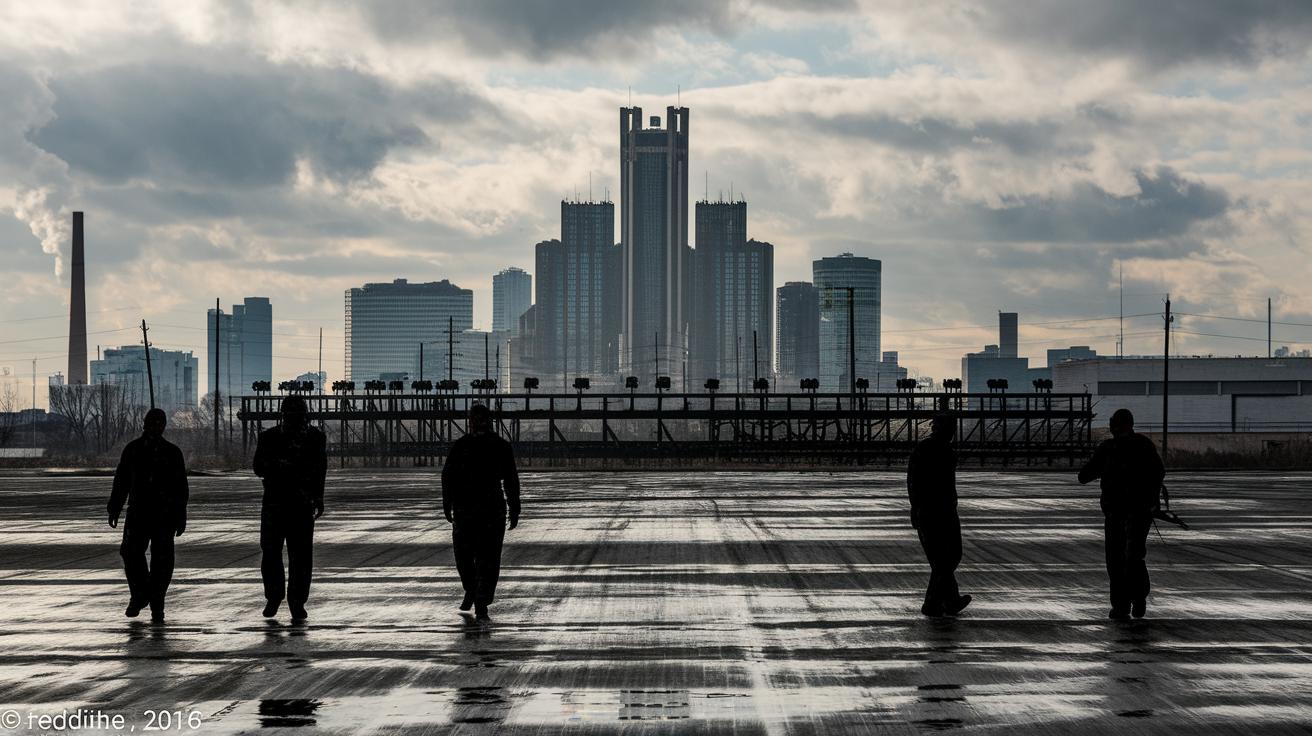
Real-world examples confirm that economic shifts can leave workers with outdated skills, leading to prolonged unemployment. In Detroit, the shutdown of major General Motors plants pushed local unemployment to nearly 29% compared to a national average of 9.8%. This decline in the auto industry illustrates how technological change, global competition, and trade shocks can quickly render skills obsolete. Similarly, the U.S. coal mining sector has shrunk dramatically. Once employing over 1 million workers in the 1920s, the industry now supports fewer than 5,000 jobs due to automation, environmental policies, and fierce market competition. These cases show structural unemployment as a deep-seated mismatch between job requirements and available skills, not a temporary setback.
| Industry | Cause | Peak Unemployment Impact |
|---|---|---|
| Automotive (Detroit) | GM plant closures and trade shocks | 29% local unemployment vs 9.8% nationally |
| Coal Mining (U.S.) | Automation and stricter environmental policies | From over 1M jobs to under 5,000 |
These examples highlight how a reliance on one industry can make a region vulnerable to sudden shocks and how complex it is to update worker skills when industries rapidly change. Policymakers and local leaders can address these challenges by boosting vocational training and modernizing educational programs to meet new market demands. This approach can help workers transition into emerging sectors and reduce long-term regional unemployment.
Long-Term Economic and Social Consequences of Structural Unemployment
Persistent structural unemployment pressures overall economic activity. Long-term joblessness pushes wages to stagnate because employers lose bargaining power, leading to reduced consumer spending. With less cash in play, demand falls, slowing growth. Lower revenues and cautious investments by businesses further weaken the economy, making recovery tougher when consumer confidence remains low.
Extended unemployment leaves a lasting mark on workers. Even after retraining or picking up new skills, many long-term unemployed individuals struggle to match previous employability. Loss of practice and shrunk professional networks often mean they cannot quickly secure good jobs, widening the gap between worker skills and job requirements.
Regions hardest hit by these trends face mounting public-finance challenges. Areas reliant on shrinking industries lose both jobs and tax revenue, the lifeblood for essential services. As governments boost spending to support struggling communities, regional disparities grow. With fewer resources for retraining programs and key infrastructure projects, local economies find it even harder to bounce back.
Policy Solutions and Interventions for Structural Unemployment
Vocational Training and Reskilling Initiatives
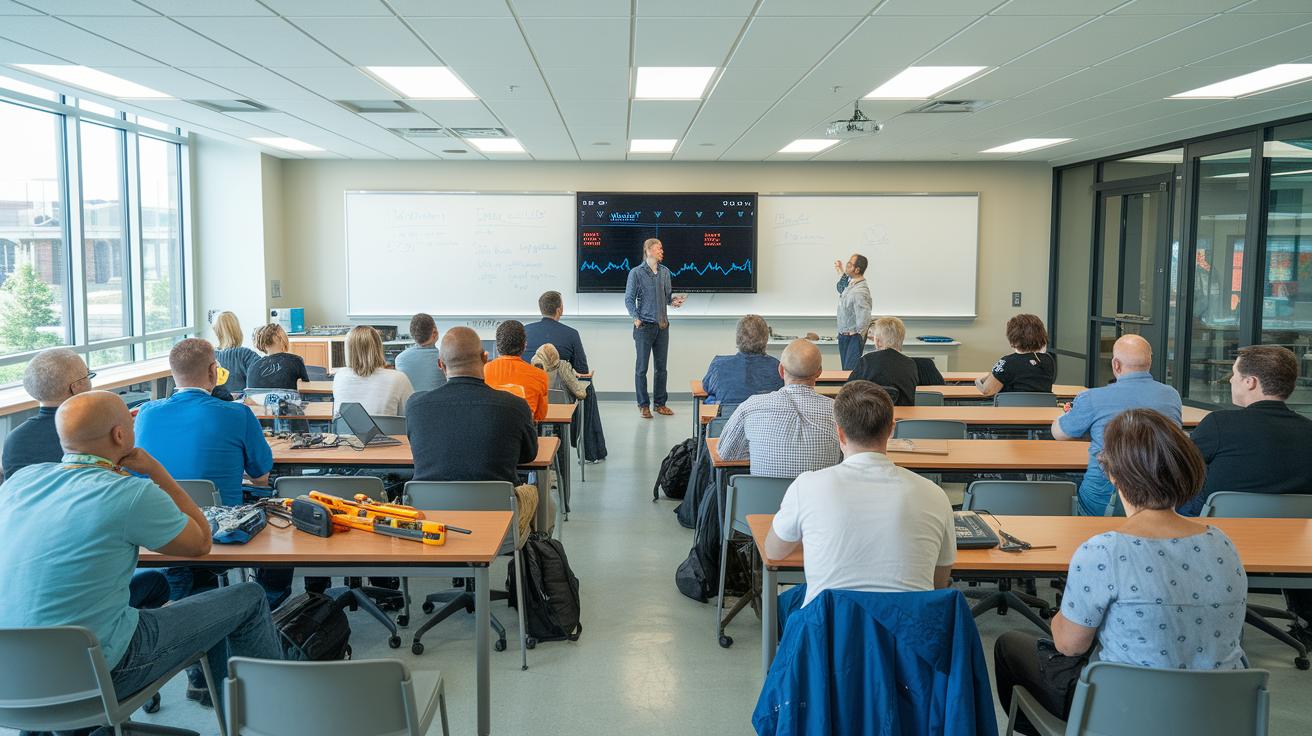
Subsidized courses in nursing, plumbing, and electrician programs help workers gain in-demand skills. Public-private partnerships have proven effective, with community colleges teaming up with local businesses to boost job placement rates. In one region, a targeted reskilling program increased job placements by 25% within a year. This example shows how financial support in training can update old skills to meet current market demands.
Education System Reforms
Updating university and vocational curricula to reflect emerging sector trends is essential. Schools are now incorporating digital technologies, renewable energy topics, and modern manufacturing techniques into their courses. Hands-on training and industry internships ensure that graduates are ready from day one. For example, many institutions have added coding boot camps and advanced manufacturing labs to match today's tech-driven needs.
Labor Market and Regional Policies
Flexible labor policies and lower regulatory barriers can smooth transitions for workers. Regions in industrial decline benefit from grants and relocation subsidies that help communities shift to new economic activities. Tax incentives and streamlined certification processes encourage companies to hire displaced workers. In one case, local governments offered temporary financial incentives to firms that retrained long-term unemployed individuals, speeding up their placement into new sectors. These measures work together to close skill gaps and stabilize regional economies.
Final Words
In the action, we broke down the basics and drivers behind long-standing joblessness caused by skills and job misalignment, distinguishing between cyclical and frictional shifts. We highlighted real-world examples and explored the economic and social fallout of prolonged job loss. Policy fixes like reskilling programs and education reforms offer clear pathways to address structural unemployment. The discussion enables a practical grasp of these labor market shifts, paving the way for strategic responses in today’s evolving work environments. Keep an eye on emerging solutions that can reshape our workforce for the better.
FAQ
What is meant by structural unemployment?
The term structural unemployment means long-term job loss caused by a mismatch between workers’ skills and available jobs, often stemming from technological changes, industry shifts, or gaps in training.
How does structural unemployment differ from cyclical and frictional unemployment?
Structural unemployment differs by lasting even during growth as it relates to skill mismatches, while cyclical follows economic downturns and frictional represents normal brief job-to-job transitions.
What are common reasons behind structural unemployment?
Common reasons behind structural unemployment include automation that outdates skills, globalization shifting production overseas, and outdated education systems that do not meet emerging industry demands.
What is a real life example of structural unemployment?
A real life example of structural unemployment is seen in the Detroit auto industry, where plant closures led to long-term job losses due to outdated skills amidst industry changes.
What would a structural unemployment diagram typically show?
A structural unemployment diagram typically shows the gap between workers’ skills and available job requirements, highlighting how evolving industry needs can leave a segment of the workforce without suitable employment.