
US real GDP is projected to grow 2.0% in 2025, then ease a bit in 2026.
Key points:
• Rapid investments in artificial intelligence, strong corporate earnings, and steady consumer spending drive growth.
• A brief government shutdown slowed progress slightly.
• The Federal Reserve’s careful steps keep inflation near its target and support lending.
In short, despite minor setbacks, the outlook remains positive with steady economic progress ahead.
us economic outlook: Bright Prospects Ahead
US real GDP is projected to grow by 2.0% in 2025 before slightly slowing to 1.9% in 2026. A surge in AI-related capital spending drove a 69% jump in 2025 and is set to add another 33% in 2026. Solid corporate earnings and steady consumer spending also support growth. A 43-day government shutdown trimmed GDP by roughly 0.1% to 0.2%. In short, even with short-term hiccups, rapid tech progress kept the economy on track in 2025.
Federal Reserve actions also shaped the outlook. The Fed cut rates by 50 basis points in fall 2025 and by 25 basis points in December. An extra cut is expected in early 2026, targeting rates between 3.25% and 3.50%. Inflation is likely to hover in the upper-2% range through 2026, just above the Fed’s 2% goal. These steps aim to boost lending and investment while keeping price increases in check.
Consumer spending stayed resilient with a 2.5% inflation-adjusted growth, even amid market pressures. Expected tax refunds and fiscal tweaks should further boost spending early next year. This strength in consumer demand helps ease concerns over policy shifts and supply limits.
| Indicator | Projection |
|---|---|
| GDP Growth | 2025: 2.0%, 2026: 1.9% |
| Fed Rate Cuts | Fall 2025: -50bps, Dec 2025: -25bps, Early 2026: target 3.25%-3.50% |
| Inflation | Upper-2% through 2026 |
GDP Growth Projections in the US Economic Outlook

US GDP is set to grow 1.8% in 2025 and 2026 after early-year swings. Strong investment trends balance with restrictive policies.
Growth Drivers
Tech spending on artificial intelligence boosts business investments as companies allocate funds for tech upgrades and automation. Solid corporate earnings also fuel plans for further expansion. Meanwhile, steady consumer spending keeps demand robust. Retailers see regular upticks in sales as digital payment platforms speed up checkout processes.
Shutdown Impact
A 43-day government shutdown may have cut real GDP by 0.1% to 0.2%. The episode reveals that even temporary policy halts can slightly dent short-term economic figures.
Policy Constraints
Tariffs and stricter immigration rules are slowing workforce growth and raising production costs. These policy measures limit the benefits of healthy investment activity, suggesting that adjustments could support stronger GDP momentum.
The tug-of-war between solid investment drivers and policy limits shapes the current outlook for US GDP growth.
Federal Reserve Interest Rate Outlook in the US Economic Outlook
The Fed eased lending conditions by cutting rates by 50 basis points in fall 2025 and an additional 25 basis points in December 2025. This strategy lowered borrowing costs and paved the way for a more flexible monetary system, making credit more accessible while keeping emerging price pressures in check.
Analysts now expect another rate cut in early 2026, which could bring rates down to between 3.25% and 3.50%. This move is aimed at further easing lending, boosting monetary flexibility, and maintaining price stability as the economy transitions from a recovery phase to steady growth.
Lower borrowing costs have led to increased corporate investment and consumer spending, supporting both business expansion and personal loans. This balance helps stimulate growth while managing inflation risks.
Inflation Rate Predictions and Consumer Spending Trends in the US Economic Outlook

Inflation is expected to stay in the upper-2% range until 2026 as steady tariff pressures and global supply chain adjustments keep costs in check. Wage growth is cooling to a long-run average of about 3.5%. Higher-income earners see steady bumps, while lower-income groups face rising cost-of-living pressures. Changes in labor demand and specific sector shifts offer new insight into these varying trends.
Consumer spending paints a mixed picture. Overall spending grows by roughly 2.5% after inflation, with middle-income households borrowing on solid credit support to keep spending robust. In contrast, younger and lower-income groups are tightening their belts amid rising delinquencies on student loans, credit cards, and auto loans. Meanwhile, tax refunds in H1 2026 are set to boost spending for those under financial strain.
| Factor | Outcome |
|---|---|
| Tariff pressures and supply chain shifts | Push cost inputs higher |
| Wage trends | Show clear differences across income levels |
| Credit challenges | Slow spending among lower-income groups |
| Tax refunds (H1 2026) | Provide additional fiscal stimulus |
| Energy price adjustments | Temper inflation pressures |
Persistent inflation forms the backdrop, but varied wage gains and spending habits across income groups will shape near-term U.S. economic growth.
Labor Market Trends and Employment Growth Forecast in the US Economic Outlook
The US labor market is easing into a slower pace. Despite low layoffs, hiring is softening as employers adjust to new market conditions. New forecasts show a careful balance of job gains and wage moderation.
Estimates now suggest that the unemployment rate could reach the mid-4% range by early 2026. This comes as businesses slow down their hiring efforts and shift priorities in response to evolving economic trends.
Job growth is projected to move steadily but gradually. Forecasts call for about 25,000 new jobs in Q1, increasing to 50,000 in Q2, 75,000 in Q3, and 100,000 in Q4. This step-by-step increase underscores cautious optimism amid softer overall labor demand.
Wage growth is expected to slow as well, trending toward a long-term average of 3.5%. Employers are balancing the need to attract talent with the pressure to manage rising costs, pointing to steadier compensation adjustments ahead.
In short, the labor market continues to add jobs and control wage growth, suggesting a sustainable yet measured recovery as companies adapt to changing conditions.
Housing Market Analysis in the US Economic Outlook
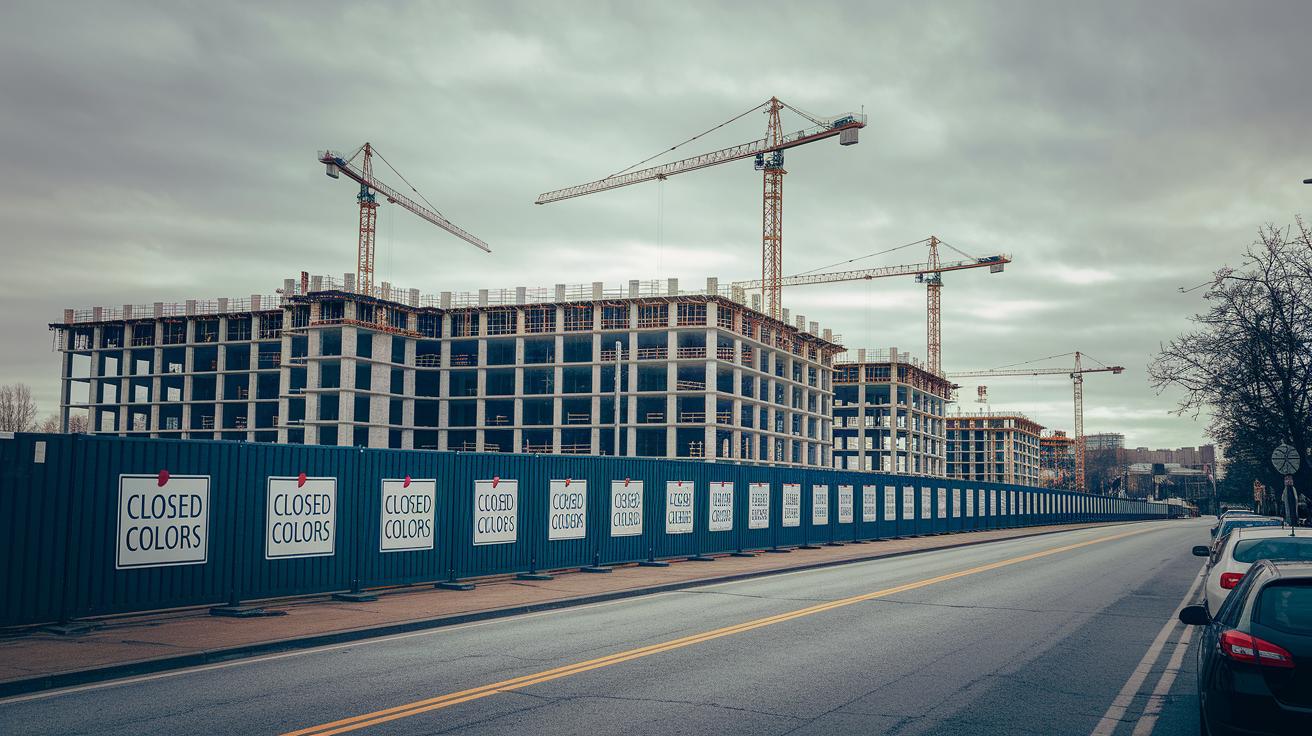
U.S. housing starts are expected to fall to roughly 1.3 million by 2026, with real residential investment also declining by about 1.6%. Builders and investors are pulling back amid uncertain conditions, hinting at a slowdown in new construction activity.
This drop signals less momentum in homebuilding, and tighter financing may push residential construction to a slower pace. The decline in investment further highlights the overall softening in domestic housing activity.
Market dynamics remain constrained due to ongoing supply shortages. Mortgage rate lock-ins and low turnover limit the number of available homes, which in turn restricts buyer choices and adds pressure on price stability. With new construction remaining low, these issues could weigh on long-term affordability and the market's recovery pace.
Fiscal Policy Impact Study and Government Spending in the US Economic Outlook
Early 2026 may bring a modest rise in government spending designed to ease economic uncertainty. Recent debates over debt ceilings and frequent budget adjustments have kept fiscal policy in focus, influencing investor sentiment and growth forecasts. A 43-day government shutdown also slashed GDP by about 0.1%-0.2%, showing how sensitive economic activity is to policy changes.
Stimulus Effect Analysis
A planned fiscal boost in early 2026 could spark household and business spending. Although the stimulus is small, it may help drive investments in key sectors that rely on consumer confidence and steady capital flows. Even a slight injection of funds can jumpstart spending trends and boost overall economic activity.
Shutdown and Deficit Impact
The recent shutdown caused a short dip in GDP, underlining the market's vulnerability when government operations halt. This interruption has also tightened the deficit situation, reminding us that even brief disruptions can have clear effects on financial markets.
Policy Uncertainty Factors
Unsettled issues, like pending Supreme Court tariff decisions, USMCA talks, and changes in immigration policy, continue to weigh on market expectations. These political and regulatory challenges add uncertainty to future trade and labor policies, potentially tweaking the direction of medium-term growth.
Risks and Opportunities in the US Economic Outlook

Persistent price pressures and inflation above the Fed's 2% goal, along with uncertain tariff outcomes and policy moves, complicate the outlook. One key risk is a potential asset bubble in AI-driven sectors, where some investors worry that high AI stock valuations may not last if market exuberance continues.
On the upside, strong AI capital spending and solid corporate earnings are driving growth. AI capital expenditure climbed 69% in 2025 and is expected to jump 33% in 2026. A modest fiscal stimulus, a steady dollar, plus active refinancing and merger activity add to the positive backdrop.
Investors should watch for shifts in policy and fiscal signals and be alert to tech valuations that might be too high. In simple terms, while robust AI investment supports growth, there is a risk that market overheating in tech could signal a bubble.
Final Words
In the action, the discussion highlighted key projections for GDP growth, rate cuts, and inflation trends.
It broke down Fed policy movements, consumer spending strength, and labor market shifts.
Housing forecasts and fiscal policy challenges also featured, while risk and opportunity factors rounded out the outlook.
This us economic outlook offers practical insights for those needing quick, actionable market signals.
The analysis leaves you with a clearer picture of near-term drivers and potential market moves ahead.
Stay alert as opportunities emerge from these trends.
FAQ
What is the US economic outlook for the next five years?
The US economic outlook for the next five years shows modest growth supported by stable inflation and gradual fiscal adjustments, with steady expansion amid uncertainties from global trade and evolving policy debates.
What are the key forecasts for the US economy in 2023, 2025, and 2026?
The key forecasts indicate modest GDP growth, with 2% growth expected in 2025 and slightly lower in 2026, driven by strong AI investments, moderate inflation, and adjustments following fiscal challenges.
What does the US economic outlook PDF or Goldman Sachs report highlight?
The US economic outlook PDF and Goldman Sachs report highlight forecasts on GDP growth, planned interest rate cuts, and inflation trends, offering detailed insights into monetary policy impacts and consumer spending resilience.
Is the US economy heading toward a recession, and will it be up or down in 2025?
The outlook suggests that the US economy is unlikely to enter a recession in the near term, with 2025 expected to see steady, moderate growth rather than a significant downturn.
What is the long-term US economic forecast for the next 10 years?
The long-term forecast envisions gradual, sustainable growth fueled by technological advancements and robust AI investments, despite ongoing risks from policy uncertainty and persistent inflation pressures.