
Volatility trading lets you profit from quick price swings.
• Traders use fast market moves to capture gains instead of betting on one direction.
• They set up long and short positions when option premiums seem too high.
• By comparing past price swings with current trends, hidden opportunities emerge.
This guide explains how to balance risk and reward to profit from market fluctuations.
volatility trading strategies drive bold profit gains
Volatility trading means profiting from market swings rather than betting on a one-way move. Traders compare past price movements (historical volatility) with expectations set by current option prices (implied volatility). When the options market overestimates future moves, a premium arises that can be profitable. By combining long and short positions, traders can balance risk and capture opportunities in shifting markets.
Key tactics include:
- Long volatility plays such as straddles and strangles that benefit from big moves in any direction
- Calendar spreads that exploit differences in implied volatility across various expiration dates
- Ratio trades that fine-tune exposure by using different contract multiples to improve the risk-reward balance
- Short volatility positions like option sales to collect premiums when the market appears stable
- Index-based volatility trades using instruments that track overall market uncertainty
- Volatility arbitrage strategies that profit from gaps between historical and implied volatility
These methods provide a structured approach to harness the volatility risk premium while keeping market direction neutral. Traders can adjust their positions as conditions shift, making this toolkit flexible for both long-term plays and short-term tactics.
Volatility Modeling and Pricing Frameworks
Traders rely on pricing models like Black-Scholes to set option values. They use inputs such as the current asset price, interest rates, time until expiration, and volatility.
Historical volatility looks at past asset returns using standard deviation. This measure shows how much prices have varied over a specific period, helping traders understand previous market behavior and setting expectations for future movements.
In contrast, implied volatility comes from current option prices. It reflects what the market expects regarding future price swings. This forward-looking measure can differ from historical volatility when investor sentiment shifts. Knowing both types is crucial for accurate volatility forecasting.
| Volatility Type | Calculation Method | Primary Use |
|---|---|---|
| Historical Volatility | Standard deviation of past returns | Understanding past market behavior |
| Implied Volatility | Derived from current option prices | Forecasting future price swings |
Overall, these models help traders balance risk and opportunity. By comparing historical and implied volatility, they can fine-tune their strategies to better navigate changing market conditions.
Trading Volatility Products and Indices

The VIX index is a widely followed gauge that shows expected market swings. It gives traders a snapshot of market sentiment without having to trade individual options. Many volatility products rely on the VIX to measure market nervousness and hint at potential price shifts.
VIX futures work like standard futures contracts. They let traders bet directly on implied volatility without the extra hassle of managing option sensitivity (known as option greeks). This straightforward approach appeals to those looking to separate volatility bets from general market direction.
Volatility ETFs simplify the process even more. These exchange-traded products combine several VIX futures into one daily-reset instrument. With a single ticker, traders can easily place long or short volatility bets, bypassing the need to manage multiple futures contracts with different expiry dates.
Volatility Arbitrage and Spread Execution
Traders in volatile markets profit by spotting pricing errors across related volatility instruments. They often mix positions in related assets so any market move cancels out. This way, they capture extra gains from volatility differences instead of taking a full market risk. In one instance, balanced exposures between tech and industrial stocks added an extra 5% return.
Calendar spread arbitrage works by buying short-term volatility when it is cheap and selling longer-term contracts when those seem overvalued. Traders use this method during periods when short-term volatility lags behind the longer-term outlook. As the market sentiment shifts, the pricing gap narrows, and the trade benefits from this correction.
Surface arbitrage targets unusual patterns in the volatility curve of a single asset. Traders set up butterfly spreads or risk reversals to take advantage of mispriced curves. As the volatility smile and skew return to normal, these trades deliver clear profits.
Technical Indicators and Signal Generation for Volatility
Traders use implied volatility metrics as early warnings for price moves. They watch option prices to gauge changes in market expectations. A sudden rise in implied volatility can indicate an anticipated increase in price swings. A quick review of charts may reveal differences between price action and these volatility signals. Many traders combine intraday data with daily trends to capture a full market picture.
Realized volatility measures what actually happened by calculating the standard deviation of asset returns over a set period. When current realized volatility deviates from expected levels, traders adjust their positions to match market sentiment. This indicator confirms patterns suggested by implied volatility and helps prevent overcommitment during early movements.
The volatility risk premium, or the gap between implied and realized volatility, provides actionable signals for entering or exiting trades. A wide premium can prompt traders to take advantage of an overreacting market, while a narrowing spread may signal the time to adjust positions. This difference between forecast and past performance remains a key timing signal for trades.
Risk Management Framework for Volatility Trading
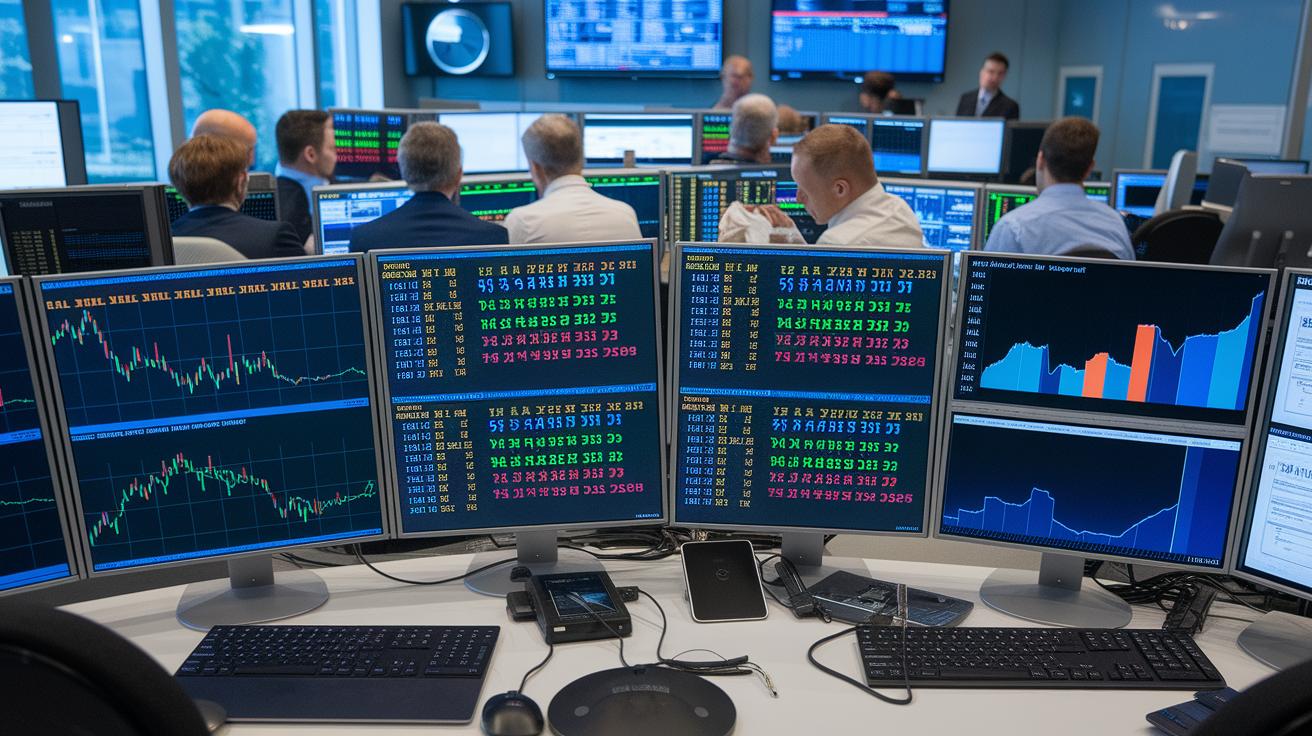
Tail risk hedging protects portfolios from big swings by using deep out-of-the-money options or variance swaps. A well-placed tail hedge can cut portfolio drawdowns by up to 15% during market stress. Traders use these hedges as insurance to buffer against sudden downturns and extreme events.
Gamma risk management is essential for short-volatility strategies. Rapid market shifts can cause losses if option sensitivity is not closely monitored. Traders set clear gamma limits and use automated stop-loss orders to control losses during swift moves. Regularly recalibrating positions helps prevent unexpected volatility from damaging the portfolio.
Liquidity risk planning ensures positions can be sold without heavy slippage during market stress. By building liquidity buffers and sizing positions systematically, traders can exit trades smoothly. This method stops forced, costly liquidations and supports a stable volatility trading strategy.
Case Studies: Volatility Strategies in Action
A VIX mean reversion strategy takes advantage of market ranges by buying futures when the index falls below 10 and selling when it exceeds 30. In one example, traders purchased VIX futures when levels dropped near 9 and sold once the index spiked above 30. This method provided clear exit signals and steady gains during calm market conditions.
Calendar spread arbitrage capitalizes on varying implied volatility across different expiration dates. In one scenario, short-dated options were sold off quickly while longer-dated contracts held their value as market calm resumed. Traders took long positions in near-term contracts and balanced them with short positions in far-term options. The trade performed well as the structure normalized, reducing risk and delivering consistent returns.
Both cases show that data-driven analysis and systematic trading are key in volatility strategies. Clear risk management and strict performance measures help traders adjust tactics based on market feedback, leading to better position sizing and improved exit timing.
Technology, Data, and Backtesting Tools for Volatility
Accurate volatility trading relies on high-quality data feeds that provide real-time options information. These feeds give traders essential details like bid/ask spreads, correlated Greeks (measures of option sensitivity), and comparisons between implied and historical volatility. Traders use this data to read market sentiment and adjust positions quickly, spotting a key change in implied volatility can prompt an immediate shift.
Fast execution platforms and strong API connectivity are required to reduce slippage during quick market moves. Advanced backtesting engines, using realistic option pricing models and term structure simulations, let traders run their strategies in different market scenarios. For instance, a simulation might show that execution costs significantly affect returns, proving the need for precise modeling.
Risk-monitoring dashboards complete this setup by tracking performance metrics and execution costs in real time. They help traders manage volatility risk and keep portfolios balanced. By combining top-tier data feeds, rapid execution platforms, robust backtesting tools, and dynamic risk dashboards, traders are better prepared to navigate volatile markets.
Final Words
In the action, we reviewed key concepts from modeling and pricing volatility to managing risk on fast-moving trades. We broke down strategies that profit from market uncertainty, from core setups like straddles and calendar spreads to arbitrage tactics and technical signal setups.
We also highlighted examples and tech tools that help in executing informed moves. These insights on volatility trading strategies offer clear, actionable signals for quick responses and better-informed decisions.